Sill Pans and Flashing Tape: The Order of Install

Two windows that look identical from the street can be sealed completely differently, with one carrying a sill pan and lapped tape and the other nothing but a bead of caulk, as the notes at riverside window installers pine genome describe. In Riverside, CA rain is rare, which is why shortcuts survive for years and then fail all at once in a wet winter. The order the tape goes on is the whole job of keeping water out of the wall.
Why water gets in at all
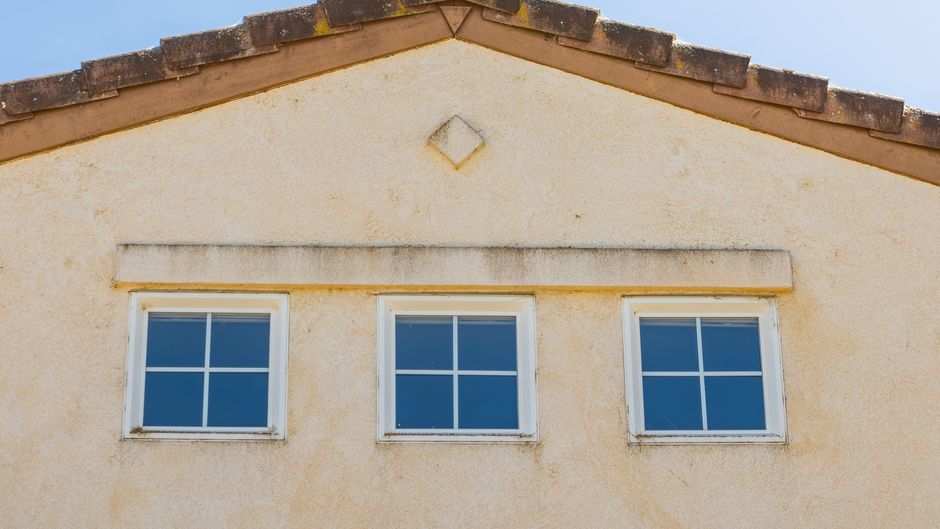
Water does not usually pass through the glass or the frame. It gets in at the joint between the window and the wall, where sealant dries out and stucco cracks. The wall assembly is meant to shed water the way roof shingles do, each layer overlapping the one below. A window installed against that logic, with the top layer tucked under the bottom, directs water into the wall instead of off it.
The sill pan goes first

The sill pan is a flashing at the bottom of the rough opening that catches any water that gets past the window and drains it to the outside. It can be a pre formed plastic pan or a layered stack of flashing tape with back dams at the ends. The pan has to slope slightly outward, and the back dam stops water from running sideways into the framing. This step takes ten minutes and is the one most often skipped.
Then the sides and the head
After the window is set and fastened through its nailing fin, flashing tape goes over the fin on the two sides, starting at the bottom and working up. The head tape goes on last, over the side tape, so water running down the wall lands on the top layer first. Each strip laps the previous one by at least a couple of inches, and the tape is pressed down with a roller so it grips the sheathing.
How the stucco return meets it
On a stucco wall, the stucco is cut back before the install and patched after. The patch stops at a weep screed or a compressible gap, and a bead of sealant closes the last joint. Rigid mortar jammed hard against a vinyl window frame cracks when the frame moves in summer heat, and that crack lets in water. A clean sealant joint around the frame is a feature, not a flaw.
Checking the work before the crew leaves
On a good job, photos are taken of the sill pan and the tape before the exterior finish covers them. Ask for them. Once the stucco is patched, nothing visible tells whether the flashing is right. A hose test on a finished window, run gently from the top down for a few minutes, is a simple check, and any dampness on the inside sill means the work needs to be redone.