Vinyl or Fiberglass Frames for Inland Empire Heat
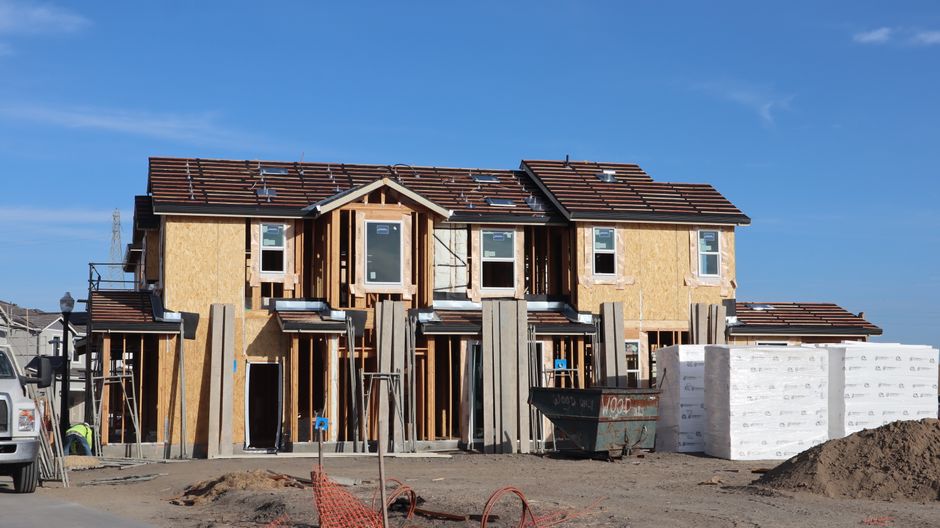
The tick of a frame cooling down after a hot afternoon is the sound of metal, plastic or composite moving a few thousandths of an inch. Anyone choosing a new window in Riverside, CA hears it most clearly in August, and the figures kept at riverside window installers pine genome come back to the same point: a frame material has to survive the surface temperature of a west wall, not the number on the thermostat.
What heat does to a vinyl window
Vinyl expands and contracts more than any other common frame material. A dark colored vinyl window on a south or west wall in the Inland Empire can get hot enough to soften slightly at the weld corners. Light colors reflect more and stay cooler, and good extrusions carry titanium dioxide in the compound to resist yellowing. A vinyl window with hollow chambers also gives some insulation, and chambers filled with foam are stiffer and move less.
Why fiberglass holds its shape
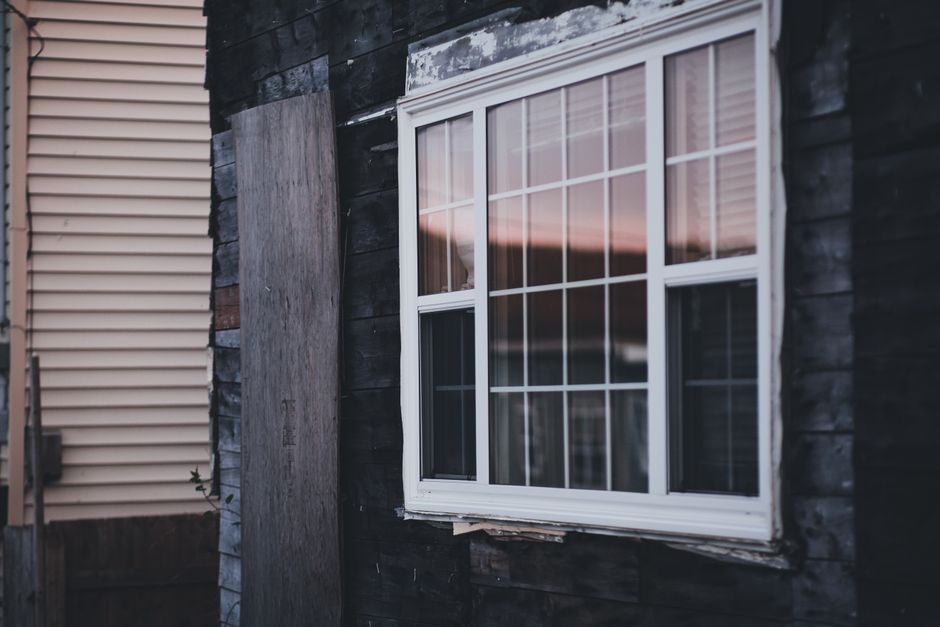
A fiberglass window expands at nearly the same rate as the glass inside it. That matters because the seal around insulated glass is under stress every time the frame and glass move at different speeds. Over years of daily temperature swings, a frame that moves more than the glass pulls at the seal, and seal failure shows up as fog between the panes. Fiberglass frames are also stiff enough to be made with thinner profiles, which means more glass in the same opening.
Paint, color and maintenance
Fiberglass takes paint, and it holds paint better than vinyl does. Vinyl is usually the color it is made, with a limited palette, and dark vinyl is where the heat problems start. A painted fiberglass frame in a dark bronze gives up nothing in heat tolerance, but it does need repainting eventually if it fades. Aluminum window frames conduct heat quickly, so on a hot day the interior side of an uninsulated aluminum frame is warm to the touch.
Which glass goes in the frame
Frame choice does not replace the glass choice. A low e coating, argon fill and a warm edge spacer do more for a hot room than the frame does. Check the u factor and the shgc on the label, and look for a low solar heat gain number on the sides of the house that face the afternoon sun. A casement or awning window with a tight compression seal also leaks less air than a slider with the same glass.
A practical way to choose
For a house with shaded walls and light trim, a foam filled vinyl window does the job and is easy to install in a retrofit opening. For a west facing wall, especially on the open slopes below Mount Rubidoux where afternoon sun is strong, fiberglass or a clad window with a composite frame is the more stable pick. The crew should say which one they would put in the sunniest opening, and why, before the order is placed.