Low-E Glass for Riverside Afternoon Sun
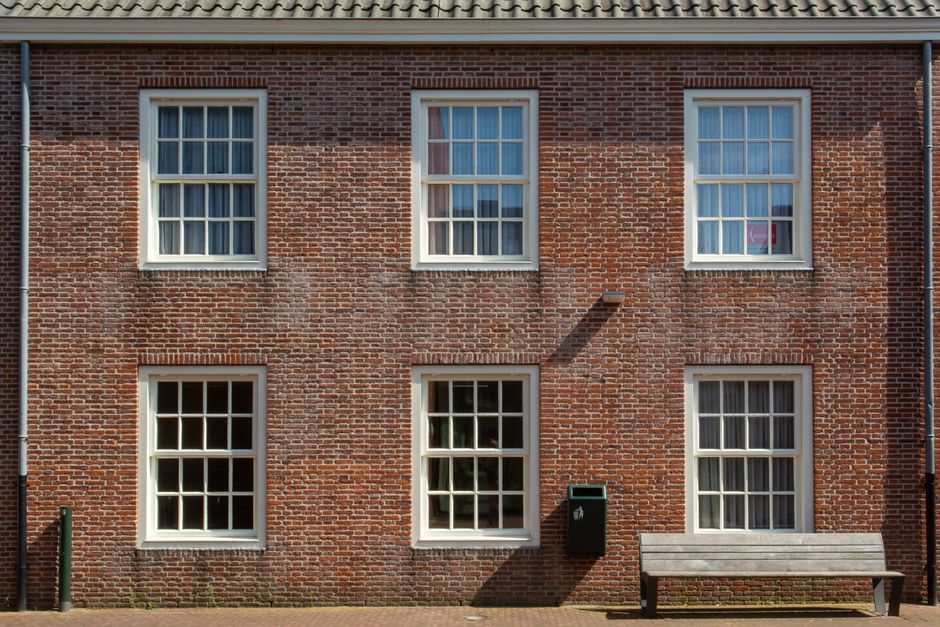
On a west facing wall in the Inland Empire, afternoon sun does more damage to comfort than any winter night does, and glass is the part of the wall that lets it in. The glass a crew picks for a window in Riverside, CA matters more than the color of the frame, a point the work behind riverside window installers pine genome keeps returning to when a customer asks why two similar windows feel so different.
What a low e coating is
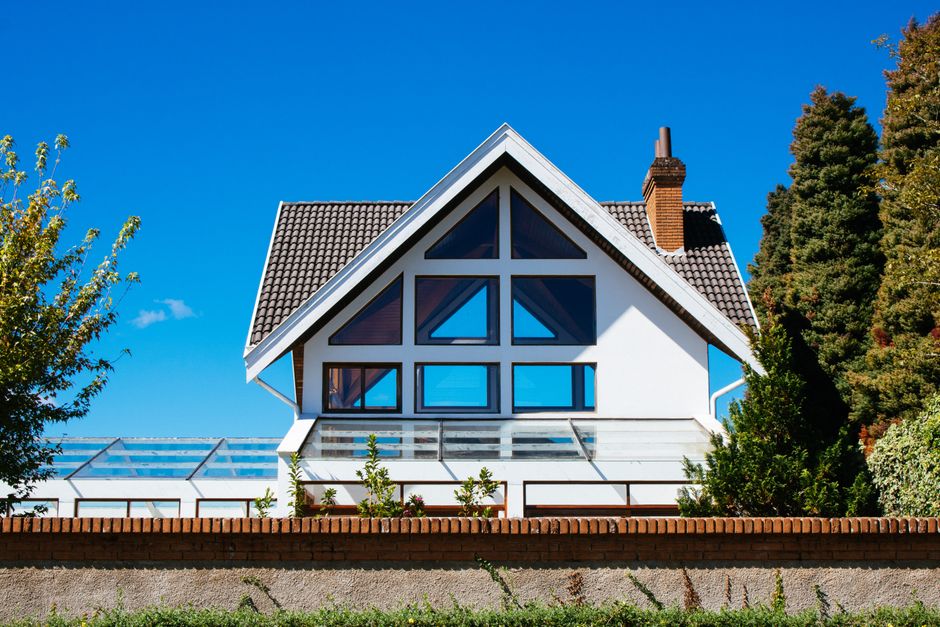
A low e coating is a thin metallic layer, thinner than a hair, laid on one surface of the glass inside a double pane unit. It reflects heat radiation while letting most visible light through. In hot climates the coating is chosen to reject solar heat before it gets into the room. In cold climates the coating is chosen to keep room heat from escaping. The same window label can describe two very different coatings, so the numbers matter.
Reading the label
Three numbers carry the information. The u factor tells how fast heat moves through the whole window, and lower is better. The shgc, short for solar heat gain coefficient, tells how much of the sun heat comes through as a fraction, and for a west wall a low number is the goal. Visible transmittance tells how much light gets in. A window with a low solar heat gain and a decent transmittance keeps the room cool without making it dark.
Argon, spacers and the edge of the glass
Argon fill between the panes slows heat transfer slightly, and it is a small addition to the unit. A warm edge spacer, made of foam or a thermally broken material in place of bare aluminum, reduces heat flow at the perimeter, which is where the glass is coldest in winter and where condensation shows first. A triple pane unit is rarely worth the extra weight in Riverside, where the work is about the sun and not the frost.
Where the coating matters most
A picture window facing the University of California Riverside side of town, or any large pane on a west or south wall, is where a low solar heat gain coating pays back. A small window on a shaded north wall hardly needs it. It is reasonable to use different glass on different elevations of the same house, though crews often keep it uniform for appearance, since a slight color shift between coatings can be seen from the street.
What to ask the crew
Ask for the glass package by name on every window, and ask for the shgc for the west facing ones. Reputable manufacturers print both on a label stuck to the glass, and that label stays on until the job is finished. Check it before the sticker comes off, because it is the only document that proves the coating on that specific pane.