Preparing the Rough Opening in a Riverside Stucco Home
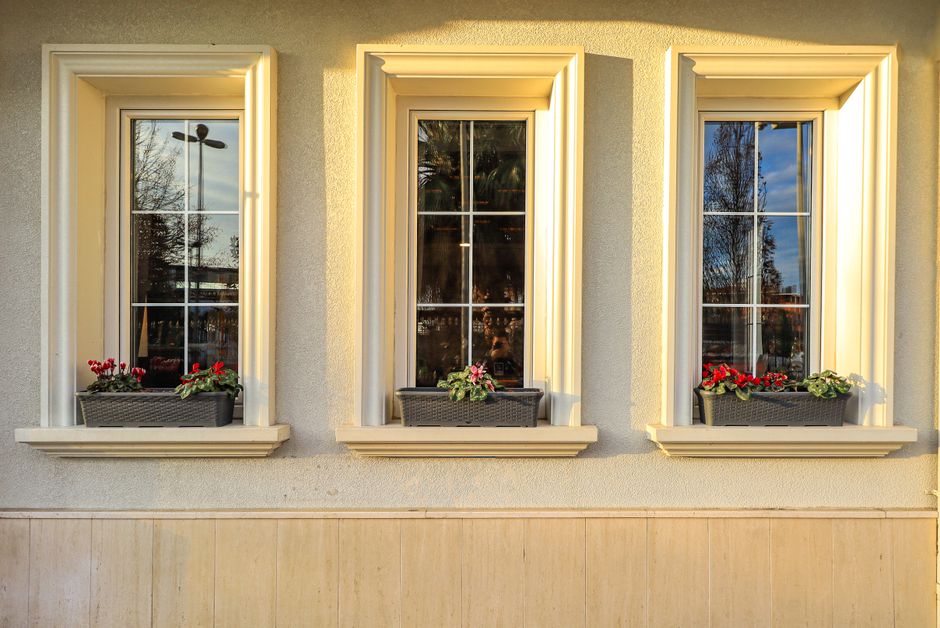
A rough opening is measured at three heights and three widths before anything is ordered. The running record riverside window installers pine genome holds shows that a Riverside, CA stucco house rarely gives the same number twice, because the framing settled, the stucco was troweled thick at one corner, and a previous crew cut the opening to fit whatever window was on the truck. The replacement window has to fit the opening as it is today, not as the plans drew it.
Measure the opening, not the old window

Old windows hide their own errors behind trim and caulk. Once the old unit is out, the tape goes from stud to stud at the top, middle and bottom, and from sill to header on the left, centre and right. The smallest of each set is the working size. A vinyl window is ordered a quarter inch under that, which leaves room for shims and foam without forcing the frame.
Check square and level before the unit goes near it
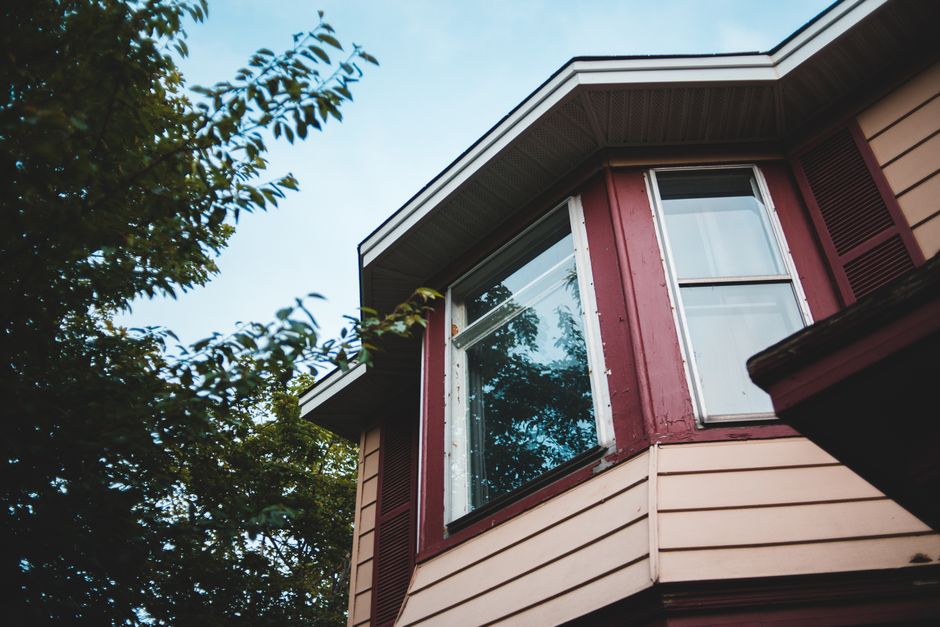
Two diagonals tell the story. If they differ by more than a quarter inch, the opening is out of square and the shims will have to carry the difference. A four foot level on the sill shows whether the bottom slopes toward the room. A sill that slopes inward pushes water into the wall.
Stucco is the part that surprises people
Most Riverside houses built in the middle of the last century are framed, papered and stuccoed, and the stucco was applied right up to the old window frame. A nailing fin cannot sit flat against that. The stucco return has to be cut back with a diamond blade so the fin lies on the sheathing paper, not on a lump of cured mortar.
Look for rot and for old fasteners
Pull a screwdriver across the bottom of the framing. Soft wood means a leak has been feeding the sill for years, and that section is replaced before the new window is hung. Old nails and staples in the jamb get pulled. On houses near the Santa Ana River, where irrigation overspray is common, the lower corners of the opening are the first place rot appears.
Dry fit, then seal
The window goes in dry first. The installer checks the reveal on all four sides, tests that a double hung or slider sash moves freely, and marks the shim points. Only then does the unit come back out for the sill pan, the sealant bead and the flashing.
Prep decides how the window ages
The glass package, whether it is insulated glass with a low e coating or a basic double pane, gets the attention. A well prepared rough opening takes extra time on day one and almost none on day two, and it is the reason a vinyl window installed in Riverside can still close with one finger a decade later.